People often ring me thinking a new car key is just a matter of cutting metal. On anything built in the last twenty five years or so, cutting is the easy half. The part that actually makes your car start is the programming, and that is where the equipment and the access matter.
Here is what really happens when I program a key, in plain terms.
Why a cut key alone will not start your car
Every modern vehicle has an immobiliser. Inside your key there is a small transponder chip carrying a unique code. When you turn the key or press the start button, the car asks the chip for that code. If the answer is not one the car recognises, the engine will not run even though the key turns perfectly in the barrel.
That is why a key cut at a market stall or a shoe repair counter will open the door and go nowhere. The blade is right, the electronics are not.
What programming actually involves
Identify the vehicle and key type
Your registration tells me the make, model, year and which key system the car uses, so I arrive with the right key and the right equipment.
Check ownership
I check your V5C or other proof of ownership along with photo ID. No genuine auto locksmith will skip this step.
Connect to the vehicle
My diagnostic equipment connects to the OBD port under the dashboard and reads the immobiliser system.
Pair the key to the car
The new key is written into the immobiliser so the car accepts its code. On keyless vehicles the remote and proximity functions are paired at the same time.
Test everything
Locking, unlocking, boot release and starting are all tested, with every key you own, before I leave.
Why security access matters on newer cars
On newer vehicles the key data sits behind manufacturer security gateways. To get at it legitimately, a locksmith has to be SERMI registered, which means an audited, background checked credential recognised across Europe. I hold that registration, so I can access the same security data a main dealer uses.
Without it, a locksmith is limited on a lot of modern makes, which is why some people get turned away and end up at a dealer waiting days for a booking.
Adding a key versus all keys lost
There are two very different jobs hiding under the phrase key programming.
- Adding a spare while you still have a working key. Quicker, cheaper, and your existing keys keep working. This is the spare car keys job.
- All keys lost, where nothing works. Every key has to be deleted from the immobiliser and new key data generated for the vehicle, so the job takes longer and costs more. That is the all keys lost job.
If you take one thing from this article, make it that. Sorting a spare while you still have a key is the cheapest decision you will make about your car this year.
How long it takes and what it costs
Most key programming jobs take under an hour at your home or workplace. Prices run from around £70 for a basic transponder key up to £350 or so for a keyless smart key, covering the key, cutting, programming and travel. There is no call out fee and no VAT.
There is a fuller breakdown on the car key programming page, and I have written a separate guide on what a spare car key costs in 2026.
Will programming damage my car?
No. Done properly it is a software operation through the vehicle's own diagnostic port, using equipment designed for that vehicle. Nothing is drilled, forced or cut into. The risk comes from cheap tools and guesswork, which is exactly why I stick to manufacturer level access and test the car fully before I hand the keys over.
Getting a key programmed
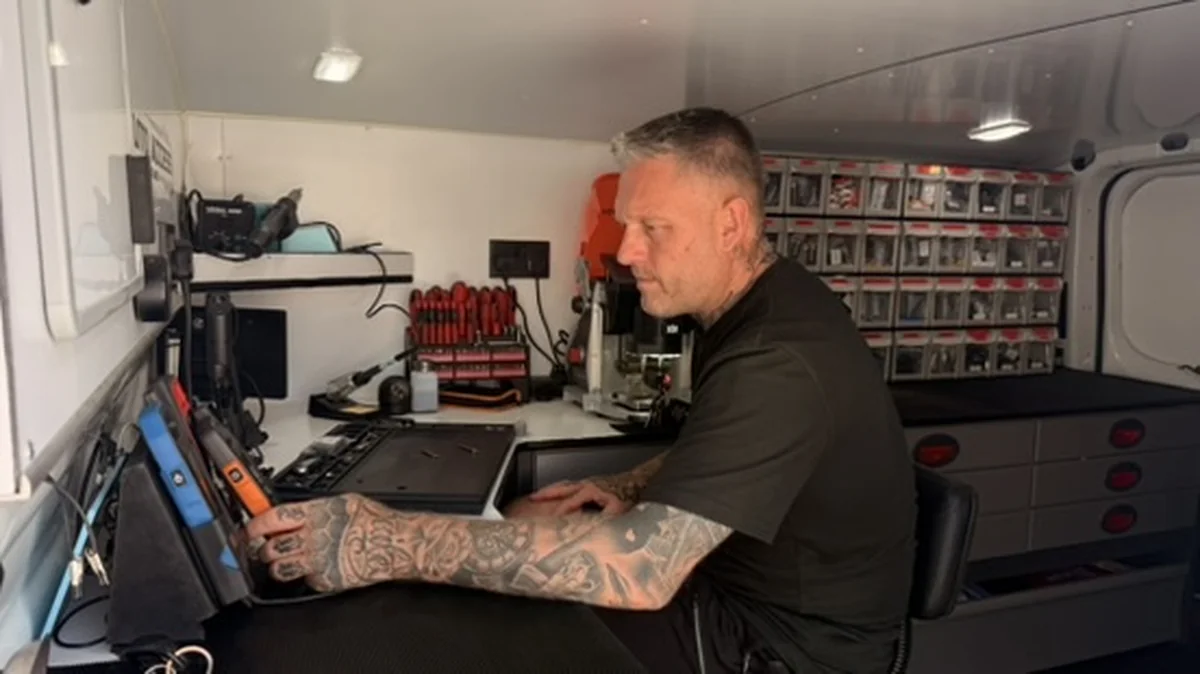
I cover Durham, Newcastle, Sunderland, Gateshead, Stockton and the wider North East, and I bring the whole workshop to you.
Call 07464 070776 or message me on WhatsApp with your registration and I will tell you exactly what your car needs and what it costs.
Frequently Asked Questions
Never miss a post
Add autoaccess.me as a preferred source on Google so you see more of our content first in your search results.
Add us as a preferred source →